

The Atlas
Six regions, one continuous map
History Pass organises Egypt by atmosphere and access — not by a rigid checklist. Open a region when you are ready to linger.
How to read this Atlas
Each region page covers signature places, pacing, seasonal notes, a sample day, and FAQs. Use Journeys when you want multi-region sequencing.
North → South → Shore
Many first-time travellers begin on the Giza Plateau, follow the Nile to Theban Shore and Nile South, then rest on the Coral Coast — or reverse the coast for a softer landing after long flights.
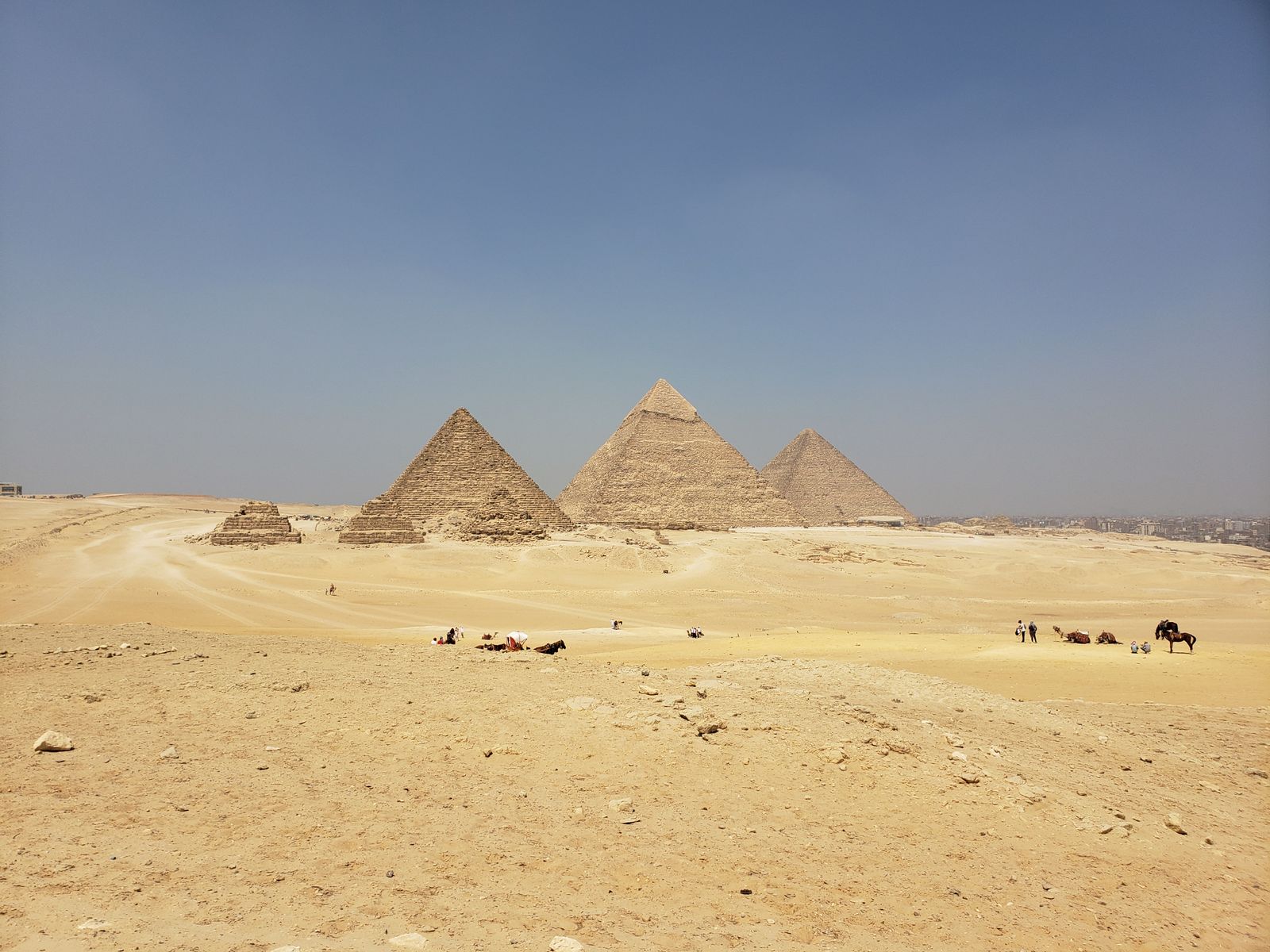
Giza Plateau
Pyramids, Sphinx, Cairo’s museum corridors, and desert edges west of the Nile.

Theban Shore
Luxor, Karnak, the West Bank valleys, and soft Nile evenings between colonnades.
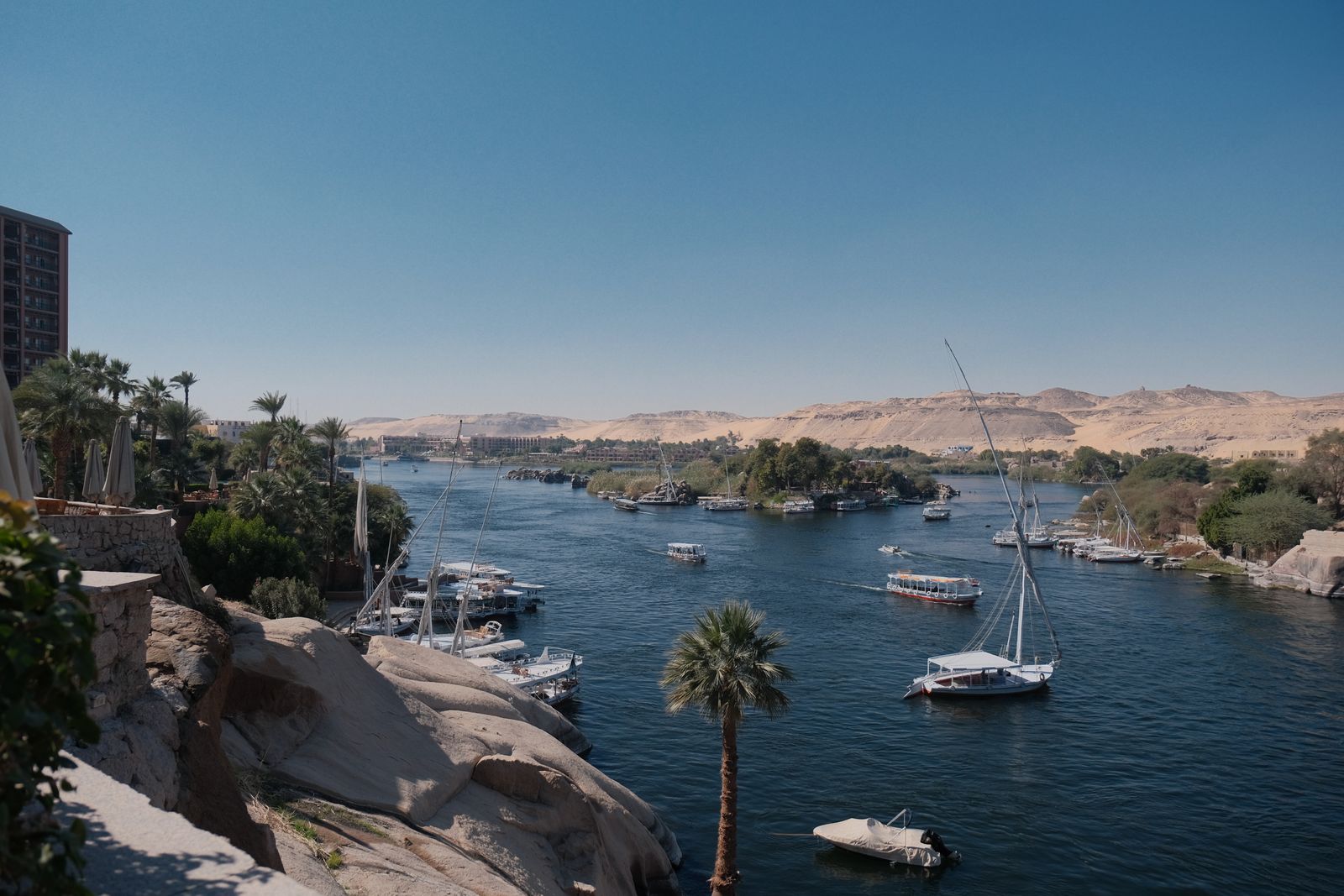
Nile South
Aswan islands, Nubian colour, Philae’s water temple, and the road toward Abu Simbel.

Coral Coast
Red Sea reefs, desert-backed beaches, and recovery days after temple-heavy itineraries.

Sinai Heights
Granite massifs, pilgrimage trails, Dahab’s easy shoreline, and desert-star nights.

Mediterranean Gate
Alexandria’s seafront, libraries new and remembered, and a cooler northern palette.
Pairing regions
Giza + Theban Shore is the classic antiquity pairing. Nile South deepens river context. Coral Coast or Sinai Heights resets the body. Mediterranean Gate suits travellers who want literary cafés after limestone dust.
- Short trip (6–8 days) Plateau + Theban Shore, early flights, one rest afternoon.
- Standard (10–14 days) Add Aswan or Red Sea; avoid stacking three long transfers in a row.
- Extended (16+ days) Include Sinai or Alexandria without shrinking temple mornings.

Atlas FAQ
Do I need to visit every region?
Absolutely not. History Pass celebrates depth over coverage. Two regions well walked beat six regions photographed from a bus window.
What about desert oases?
Western Desert oases deserve their own dedicated planning. We mention them in Field Notes for travellers extending beyond this Atlas’s six core regions.
How current is access information?
Site hours, ticket systems, and road conditions change. Always verify with official sources close to travel dates; our notes describe patterns, not live inventories.