
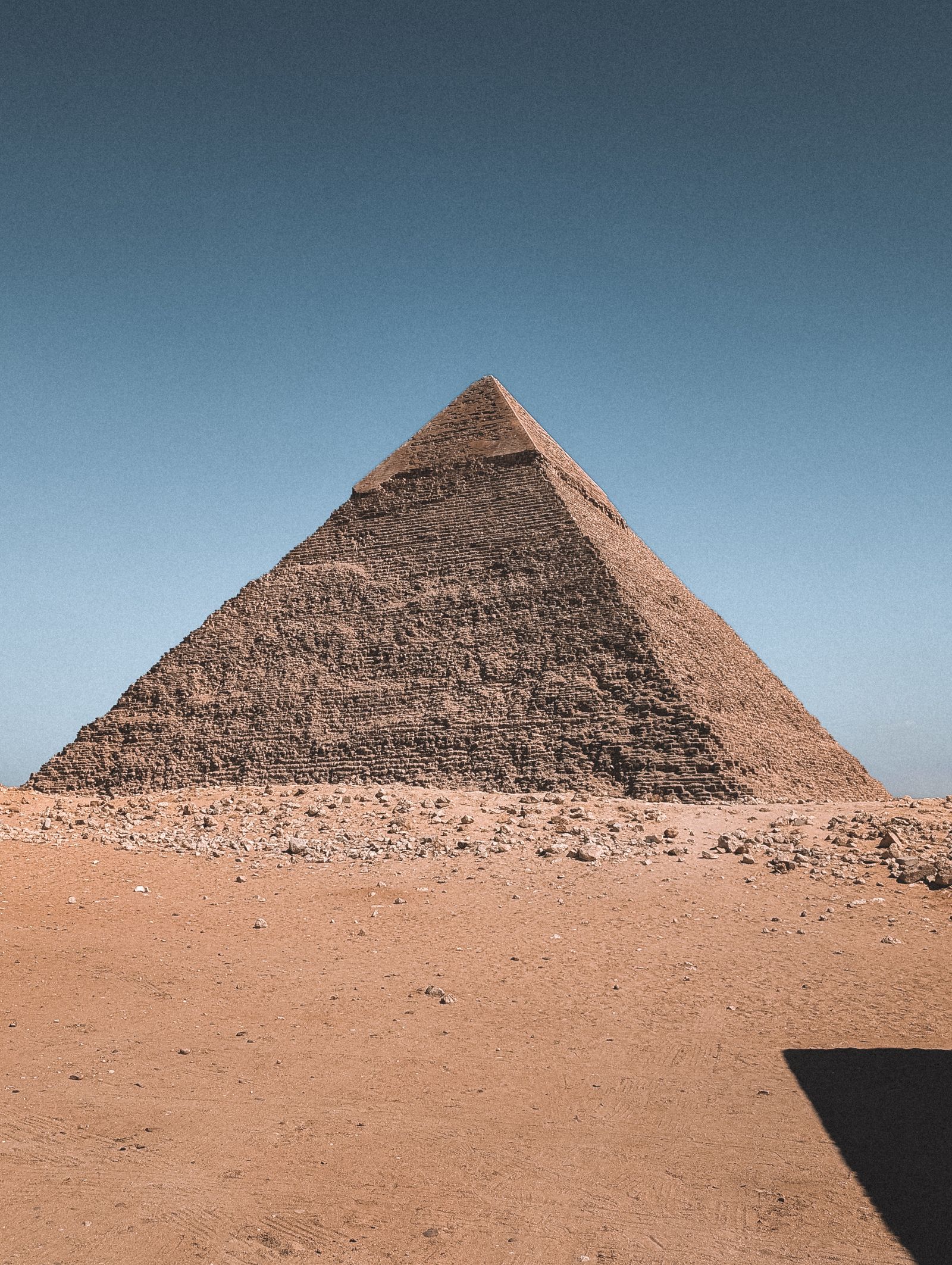
History Pass
A traveller’s map of Egypt’s living history
From limestone plateaus to coral lagoons — places shaped by pharaohs, traders, pilgrims, and the Nile’s long memory.
Why History Pass
History is not a single monument — it is a route across landscapes
We focus on places you can walk, sail, and dive: temple complexes, desert edges, river islands, and coastal towns where Egypt’s story still feels close to the ground.
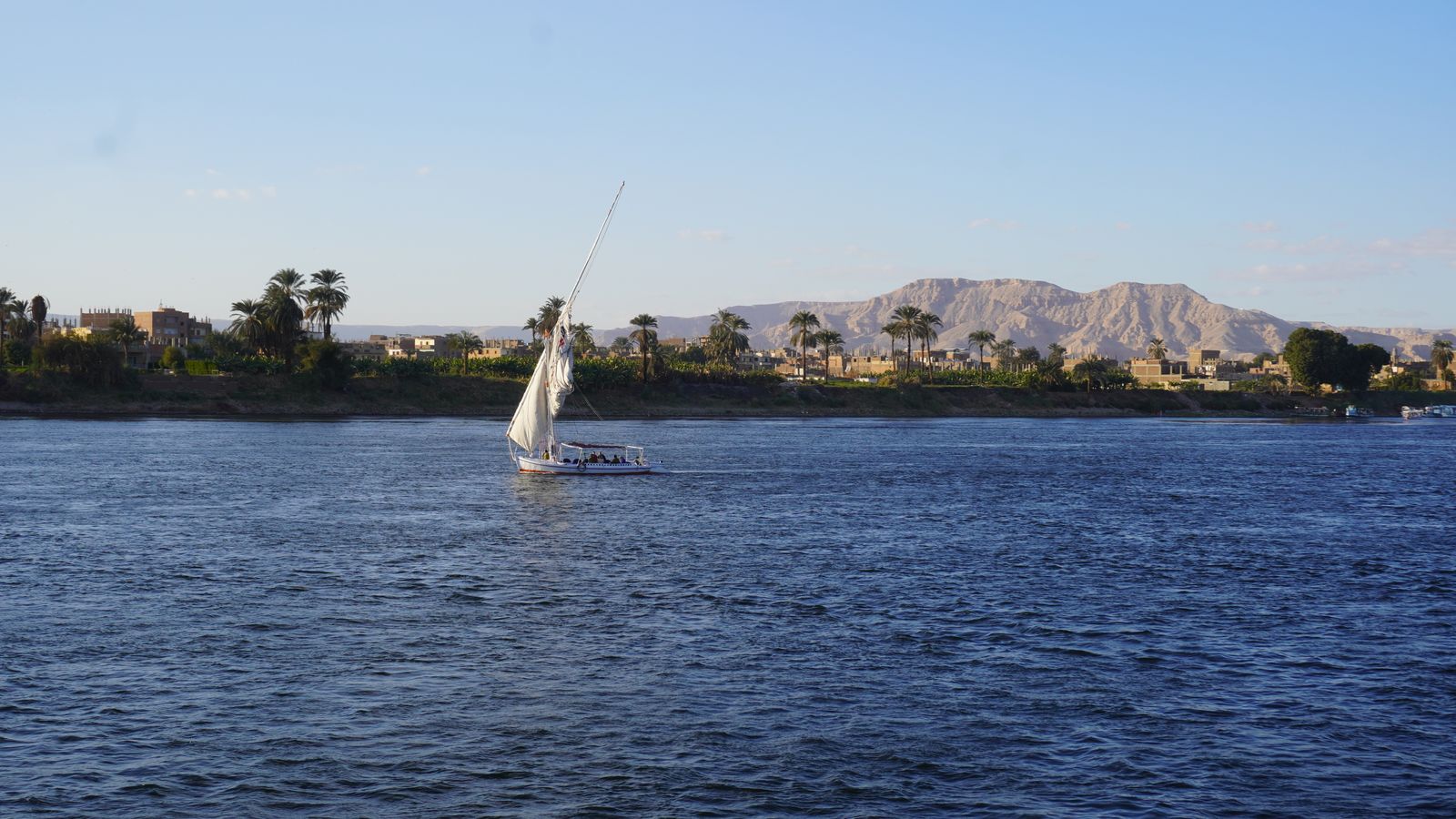
Practical context for meaningful days
Each region page pairs atmosphere with timing, access notes, and pacing — so a temple morning does not collide with a midday desert rush.
- Place before checklist We highlight what makes a site worth lingering, not just ticking off.
- Routes that breathe Journey plans leave room for shade, tea, and unplanned viewpoints.
- Coast + antiquity History Pass treats Red Sea reefs and Sinai trails as part of Egypt’s geography of wonder.
The Atlas
Six regions that define a History Pass trip
Start with the plateau, follow the river south, then open the map to coral water and Mediterranean light.
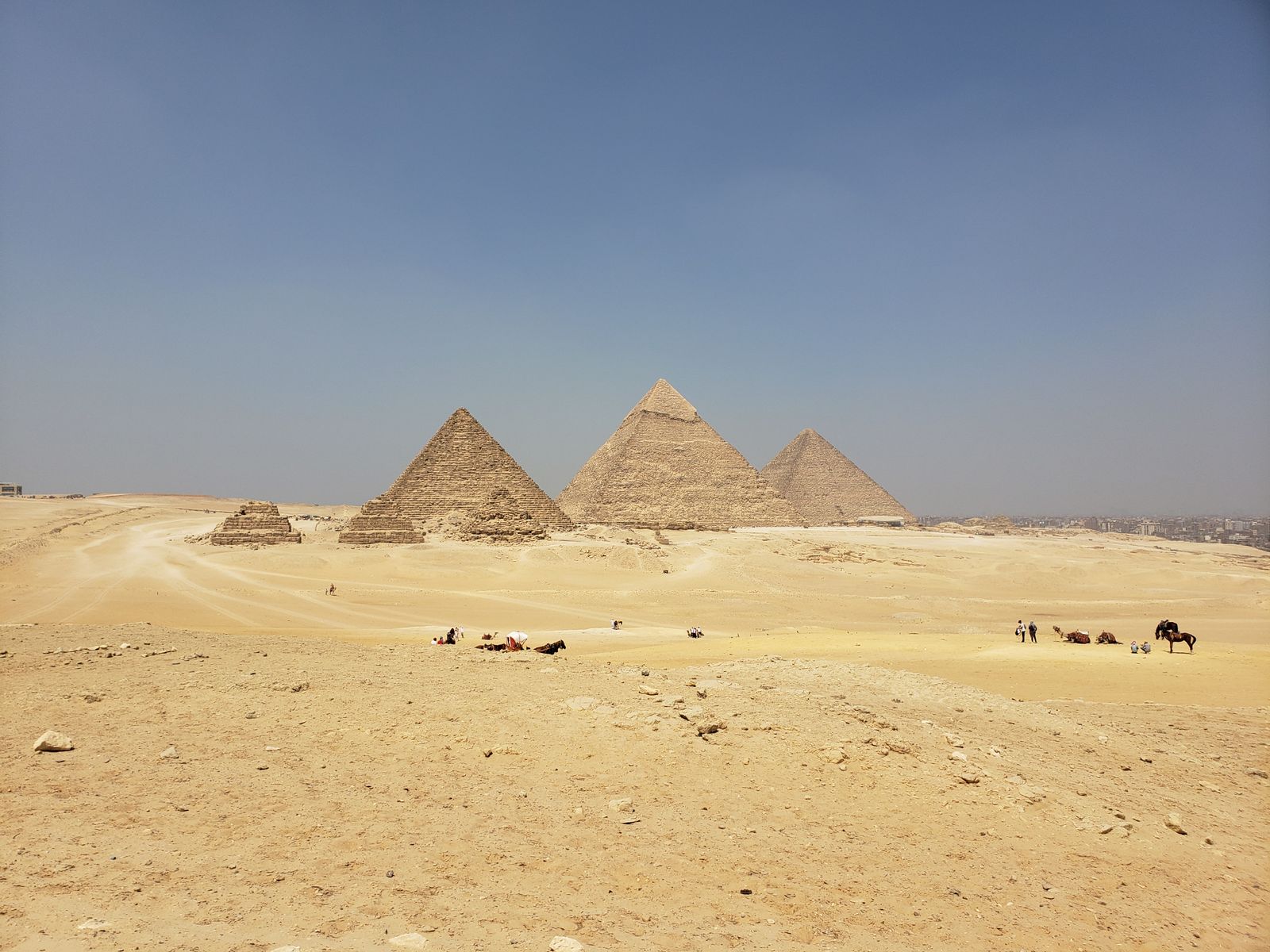


Field rhythm
How travellers use History Pass
Short planning sessions before you fly, then on-the-ground notes when heat, queues, and golden hour reshape the day.
Plan with Journeys
Choose a classic Nile arc, a plateau-to-coast loop, or a Sinai & reef focus — each with day-by-day pacing and transfer logic.
Open JourneysTravel with Field Notes
Seasonality, etiquette at sacred sites, Nile cruise tips, diving basics, and packing for desert mornings that turn into humid evenings.
Read Field Notes
Sinai heights, Aswan islands, Alexandria’s salt air
Egypt’s story widens when you leave the most photographed angles. We cover quieter temples, Nubian river life, Red Sea mornings, and the Mediterranean city’s layered streets.
History Pass is an invitation to move slowly through places that have already lasted millennia.Browse the Archive
FAQ
First questions, answered
Is History Pass a booking agency?
No. We publish place-focused travel writing and planning frameworks. For tickets, guides, and lodging, use licensed local operators — we share orientation, not bookings.
How many days do I need for a first trip?
Ten to fourteen days covers Cairo/Giza plus Luxor and either Aswan or a Red Sea stop without rushing. A week can still feel rich if you choose one strong arc — plateau and Theban shore, for example.
When is the most comfortable season?
October–April is generally kinder for temple walking and desert edges. Summer favours early starts and coastal escapes; always plan shade and hydration into midday hours.
Can I combine diving with historic sites?
Yes — many travellers pair Luxor or Cairo with Hurghada, Marsa Alam, or South Sinai. Our Coral Coast and Journeys pages outline sensible transfer patterns.
Cairo office
Planning a custom route?
Write to us with your dates, interests, and pace. We reply with orientation — not hard-sell packages.
Contact History Pass