
Atlas · Region
Nile South
Aswan softens the journey: granite islands, Nubian hospitality, Philae rising from water, and the long desert road to Abu Simbel.
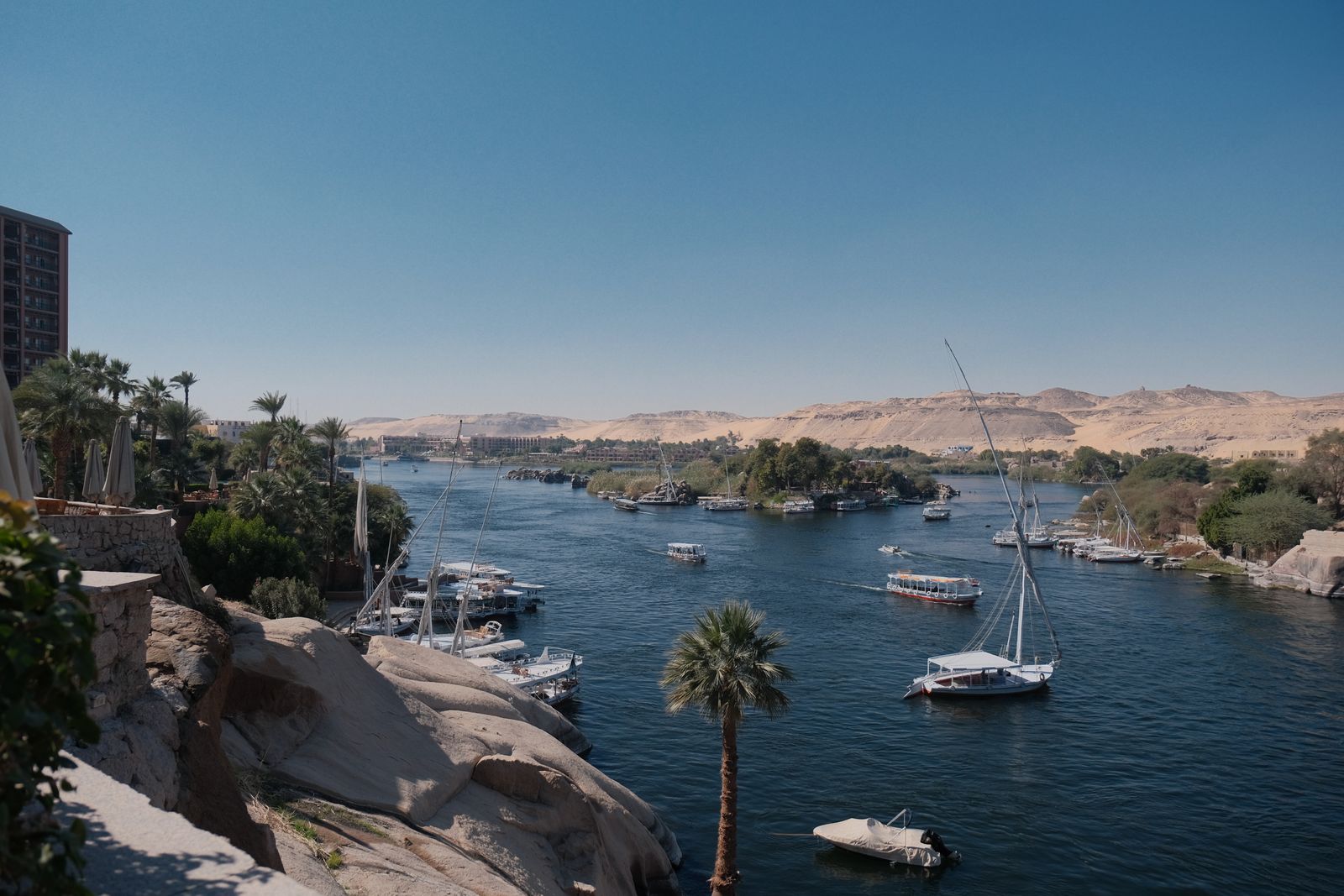
River light and Nubian colour
Where Upper Egypt meets Nubia, the Nile feels intimate — feluccas slip between islands, and evenings gather on quiet shores.

Philae, islands, and Abu Simbel
- Philae Temple Boat approach is part of the ritual — allow time for the crossing and the island circuit.
- Elephantine & botanical calm Island walks contrast with desert temple days.
- Nubian villages Visit with respectful local hosts; colour and cuisine are part of the place’s living culture.
- Abu Simbel Dawn visits reward; the scale is cinematic after a pre-dawn transfer.
Sample Aswan day
Philae by boat
Cooler crossing, unhurried colonnades, return before peak glare.
Shade & museum
Rest, Nubian Museum, or hotel pool — protect energy for evening sails.
Felucca hour
Wind, granite, and river hush — the signature Aswan memory for many travellers.
Logistics that matter
- Abu Simbel timing Convoy or flight options exist; build recovery after early returns.
- High Dam context Useful for understanding lake and temple relocation — keep the visit concise.
- Cruise arrival If docking from Luxor, keep the first afternoon light — Aswan is for breathing.
Aswan is where History Pass itineraries learn to exhale.
Is Aswan worth it without Abu Simbel?
Yes. Philae and the river alone justify the stop. Abu Simbel is an extraordinary add-on when time and energy allow.
How many nights?
Two nights minimum; three if including Abu Simbel without crushing the river days.
Best onward move?
Fly to Cairo or the Red Sea, or reverse north by cruise/train depending on your Journey plan.